Low-voltage landscape lighting for homeowners
The most trustworthy homeowner guide to low-voltage landscape lighting.
Learn how to plan the layout, choose fixtures, size the transformer, and avoid common buying mistakes without getting overwhelmed.
This site is built for DIY homeowners first. It is meant to help you understand the project, pressure-test your decisions, and move forward with more confidence.

Reader reaction
“This was the first resource that made the project feel simple instead of technical. I finally understood what to buy and what to ignore.”
DIY homeowner
Where to start
Start your low-voltage landscape lighting plan with the right first steps.
If you are planning landscape lighting for a front yard, walkway, patio, or the whole exterior, these are the best places to begin. They walk you through layout ideas, fixture choices, transformer sizing, and the mistakes that cause most DIY projects to feel expensive or overdone.
You do not need to know the jargon first. Start with the question you are trying to answer, then use the tools when you are ready to check wattage, wire runs, and voltage drop with more confidence.
You can do this yourself
Start with the practical guides that explain the project in plain English before you spend money on fixtures or transformers.
Plan the layout
Figure out what to light, what to leave dark, and how to make the yard feel intentional instead of overlit.
Choose fixtures wisely
Use fixture-specific guidance instead of buying a random mix of lights that do not work together.
Size the transformer
Move from rough fixture counts to actual wattage, reserve capacity, and a more realistic buying decision.
Buy smarter
Use the tools and reference pages to pressure-test wire runs, voltage drop, and expansion before checkout.
Featured guide
How to Size a Landscape Lighting Transformer Without Guessing
Learn how to size a low-voltage landscape lighting transformer using fixture wattage, zoning logic, and safe capacity headroom.
It is one of the best places to start because homeowners often buy the wrong transformer before they have a clean load estimate or enough reserve capacity.
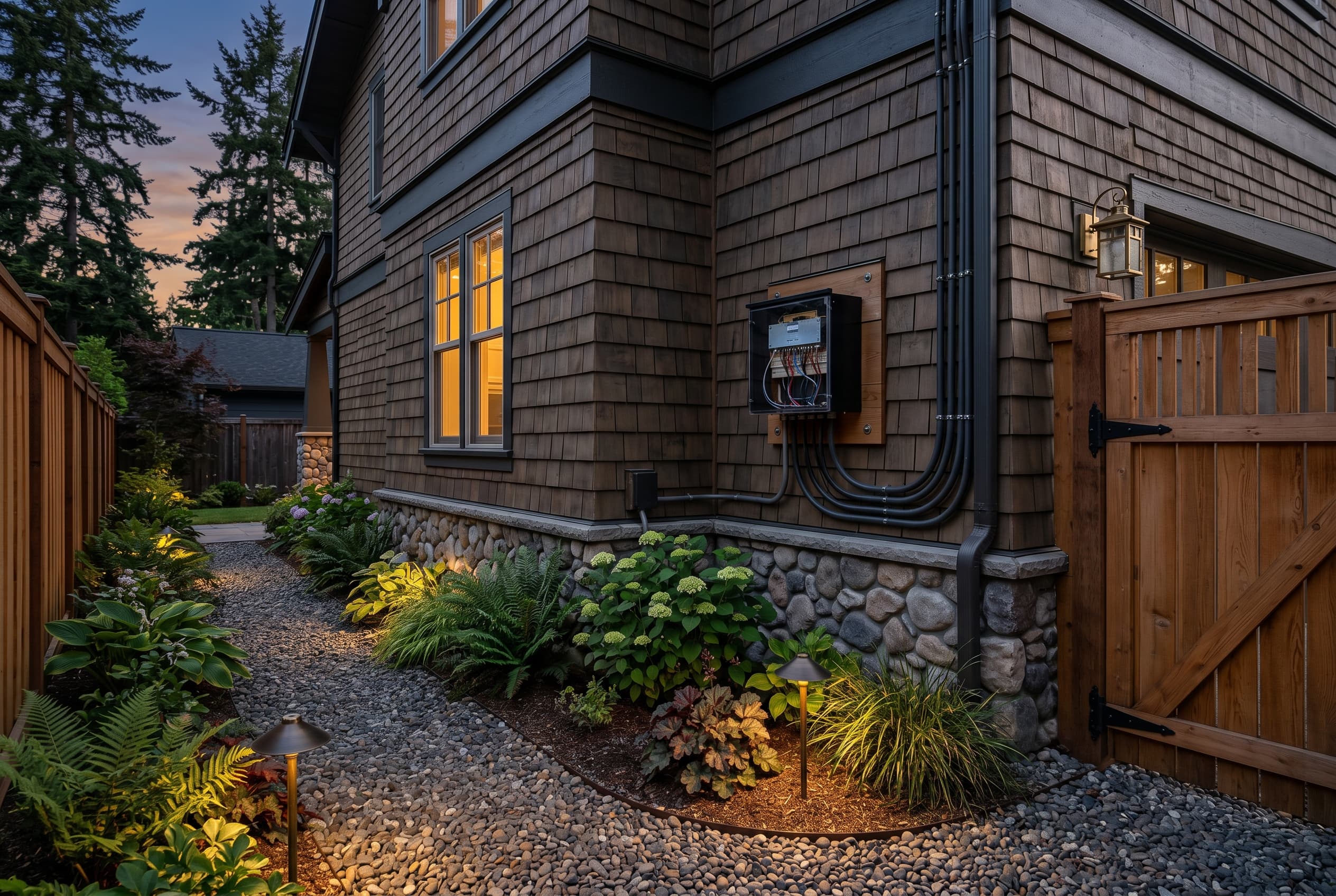
Tools that earn their place
Use the calculators after you understand the guide.
The tools are here to help you verify the math and structure the plan, not replace the reasoning. That is what makes them more useful than a black-box calculator.
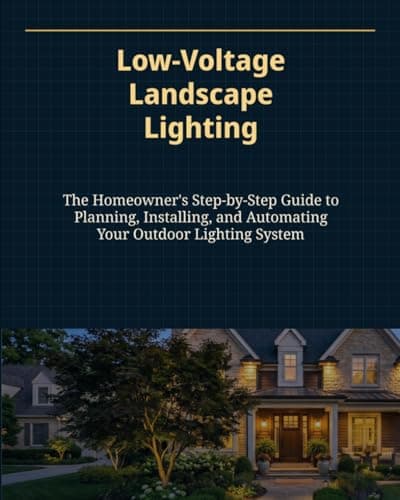
Deeper reference
Keep the full homeowner guide on hand.
The book goes deeper on fixture selection, transformer sizing, wiring, voltage drop, automation, and building a landscape lighting plan from the first sketch through the final night look.